

The Fertility Journey for Women and How Mobile Phlebotomy Can Help
For many women, the fertility journey doesn’t follow a straight line. It’s often filled with questions, appointments, waiting, and a whole lot of emotions. Understanding how fertility works and why testing plays such a big role can help make the process feel a little less overwhelming.
A Few Fertility Basics to Know
One of the most surprising facts about female fertility is that women are born with all the eggs they’ll ever have. At birth, that number is around one to two million. By the time puberty begins, it drops to a few hundred thousand, and over the course of a lifetime, only a small fraction of those eggs, about 400 to 500, will ever actually be released through ovulation.
As women age, both the number of eggs and their quality naturally decline. Hormones like estrogen, progesterone, FSH, LH, and AMH help regulate ovulation and the menstrual cycle, which is why hormone testing is such a big part of fertility care. These levels can tell providers a lot about how the ovaries are functioning and how the body is responding at different points in the cycle.
Because hormone levels change throughout the month (and even throughout the day), bloodwork becomes a key piece of understanding what’s happening and what steps should come next.
The Most Common Fertility Blood Tests
One of the most common fertility blood tests is the AMH test, or Anti-Müllerian Hormone test. AMH is used to estimate ovarian reserve, which refers to the number of eggs remaining in the ovaries. Because AMH levels stay relatively stable throughout the menstrual cycle, it’s often one of the first blood tests ordered during fertility evaluation. Other frequently requested fertility blood tests include FSH and estradiol (typically drawn early in the cycle), progesterone (used to confirm ovulation), and hCG to confirm early pregnancy. These fertility blood tests help providers understand hormone patterns, guide treatment decisions, and monitor how the body is responding during natural cycles, medicated cycles, or IVF. Since many of these labs are time-sensitive and may need to be repeated, mobile phlebotomy can be especially helpful for women who need reliable, on-schedule fertility blood testing.
What the Fertility Journey Often Looks Like
For women trying to conceive, whether naturally or with medical support, fertility testing is often one of the first steps. Blood tests may be used to assess ovarian reserve, confirm ovulation, monitor hormone fluctuations, or support treatments like IVF.
Unlike many routine lab tests, fertility labs are rarely “one and done.” Many women need blood draws multiple times within a single cycle, sometimes just a few days apart. These tests often need to happen on very specific cycle days, and many are required early in the morning so results can be reviewed the same day.
Why Timing Can Feel So Stressful
When it comes to fertility care, timing really matters. Missing a lab draw or being late can sometimes mean delaying an entire cycle. Traditional lab settings don’t always make it easy, especially for women juggling work schedules, family responsibilities, long commutes, or travel.
On top of that, fertility care can be emotionally heavy. Sitting in a crowded waiting room, rearranging your day for early appointments, or repeatedly explaining where you’re going and why can add stress to an already vulnerable experience.
Where Mobile Phlebotomy Fits In
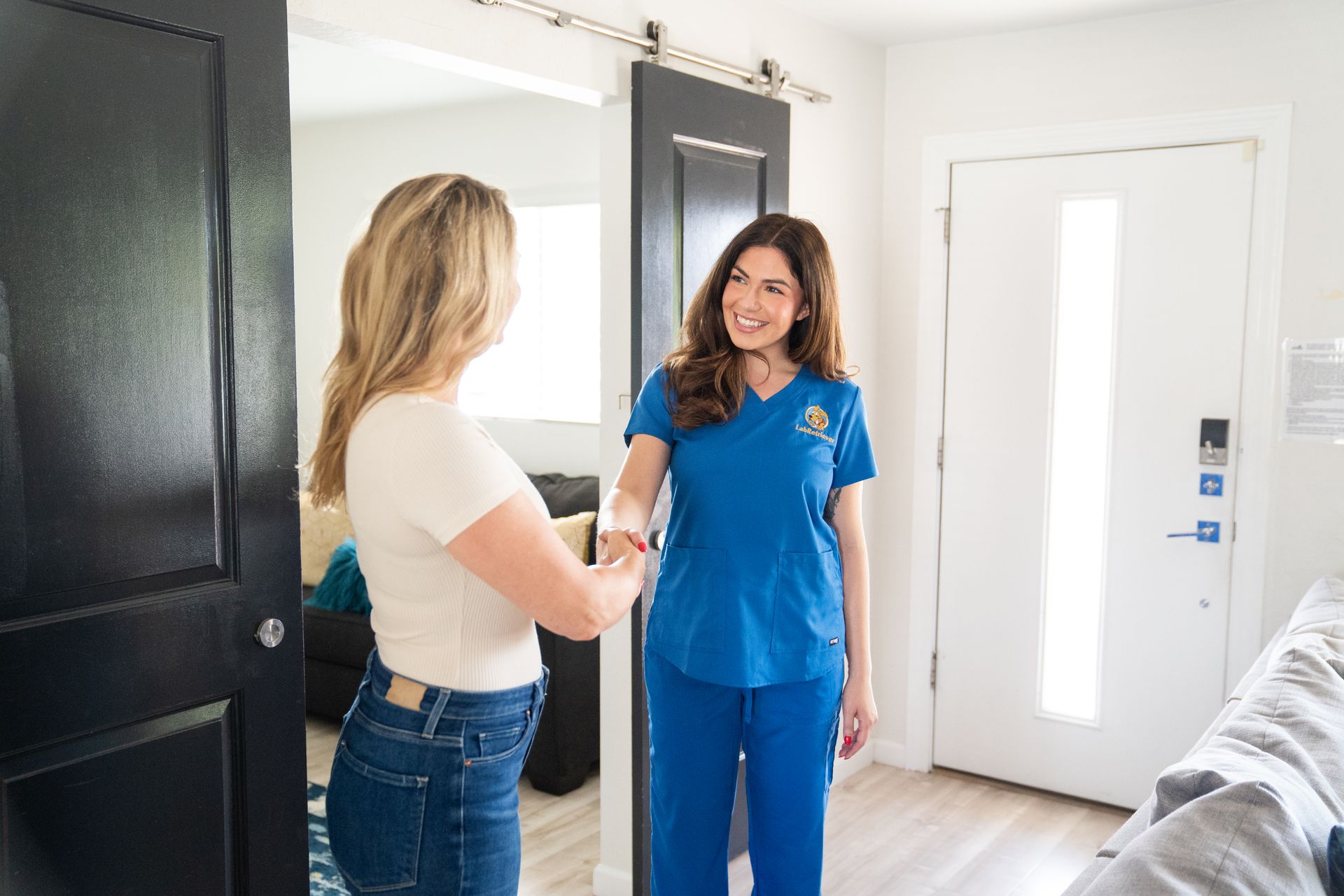
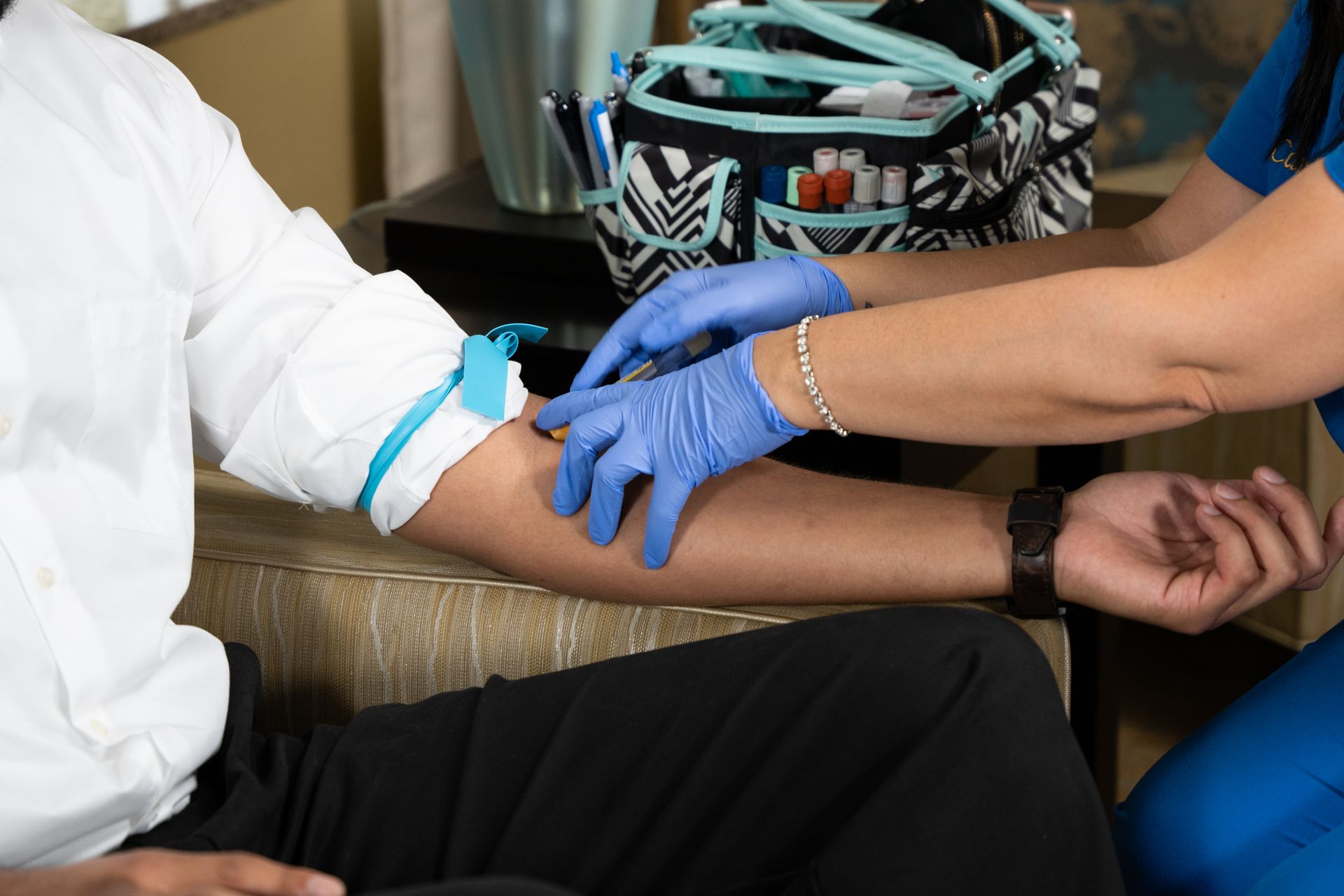
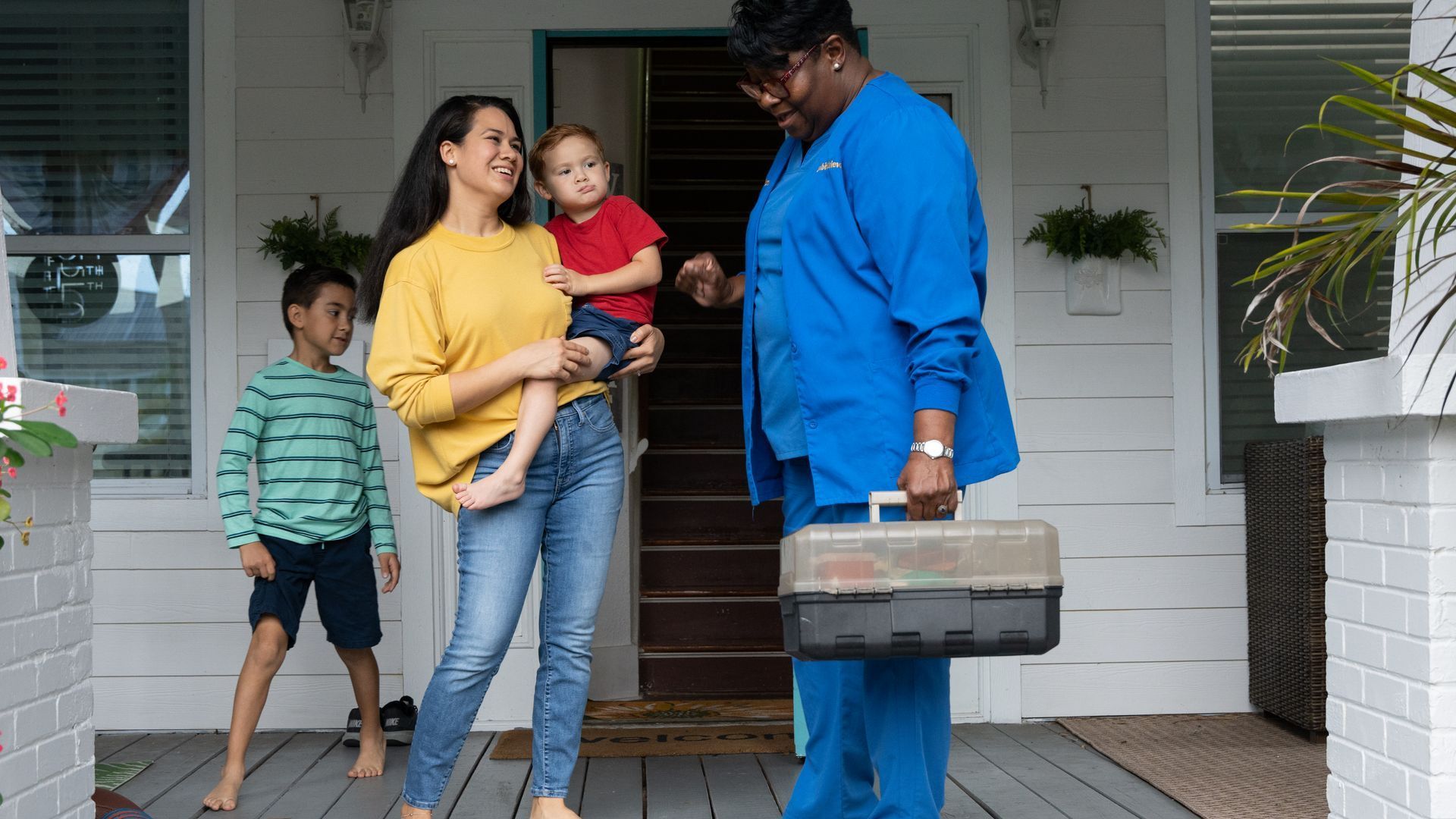
This is where mobile phlebotomy and fertility care naturally go hand in hand. Mobile phlebotomy allows blood draws to be done in the comfort of your own home, at work, or wherever is most convenient. Early-morning appointments become easier, and there’s no rushing across town or sitting in a waiting room wondering if you’ll be seen on time. For many women, having labs done in a familiar, private space also brings a sense of calm and dignity. It removes one small but meaningful layer of stress from a process that already asks a lot, physically and emotionally.
Supporting IVF, Surrogacy, and Specialized Care
Mobile phlebotomy is especially helpful for women undergoing IVF or other fertility treatments that require frequent monitoring. It’s also commonly used by surrogates and egg donors who may be coordinating care with clinics that aren’t nearby. For women who live in rural areas, travel for fertility care, or work nontraditional hours, mobile phlebotomy helps keep treatment plans on track without adding extra burden.
Making Fertility Care More Accessible
Not everyone has easy access to a fertility clinic or lab. Mobile phlebotomy helps close that gap by reducing travel time, offering flexible scheduling, and meeting patients where they are—literally. By making lab work more accessible and manageable, women are better able to stay consistent with their care, which is essential during fertility treatment.
A More Supportive Way Forward
Every fertility journey is different. There’s no universal timeline, no single path, and no one-size-fits-all solution. What should be consistent, though, is care that feels supportive, respectful, and patient-centered.
Mobile phlebotomy doesn’t replace fertility clinics; it works alongside them. Simplifying the lab work portion of the journey, it allows women to focus more on their health and well-being and less on logistics.
Where to Schedule Fertility Blood Tests
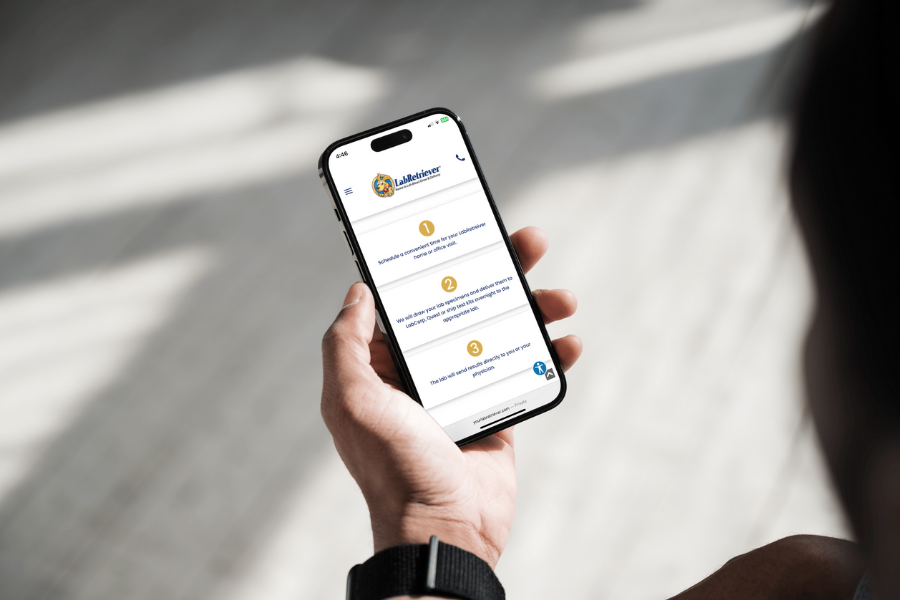
Common fertility blood tests, like AMH testing, are available through several options, including online direct-to-consumer test providers such as UltaLabTests.com, traditional lab locations like LabCorp or Quest Diagnostics, at-home test kits, and mobile phlebotomy services. With Your LabRetriever's mobile phlebotomy, a certified phlebotomist comes directly to your home, collects your blood sample, and delivers it to major laboratories such as LabCorp or Quest Diagnostics for testing, offering both convenience and reliable lab processing.
At Your LabRetriver, we believe healthcare should meet patients where they are, especially during some of life’s most personal and emotional journeys. Schedule your collection today!