

Comprehensive Analysis, Diagnosis, and Screening for Diseases: Cholesterol and Glucose Evaluation
Managing your health can feel overwhelming, especially when faced with the risks of high cholesterol and glucose levels. With a family history of diabetes or heart disease looming over you, understanding comprehensive methods for analyzing, diagnosing, and screening these elements becomes crucial. In this article, we’ll dive into reliable ways to monitor and manage your cholesterol and glucose levels effectively.
High cholesterol can cause plaque buildup in arteries leading to heart disease; similarly, unchecked glucose levels signal diabetes which damages blood vessels and nerves. It's unsettling to think about these scenarios while doing something as tranquil as attending an early morning yoga session. However, knowing the contributing factors — diet, physical activity, and genetics — aids in tackling these concerns head-on. Let's explore how being informed about these health metrics can make all the difference in preserving your well-being.
Diagnosing high cholesterol and glucose levels typically involves a blood test that measures the levels of these substances in your blood. Your doctor may also consider other risk factors and perform a thorough medical history evaluation to make an accurate diagnosis.
Risks of High Cholesterol and Glucose
High levels of cholesterol and glucose can significantly impact your overall health. Let's start with cholesterol. When levels of cholesterol in your blood are high, it can lead to a buildup of plaque inside your arteries, resulting in a condition known as atherosclerosis. This buildup can obstruct the flow of blood to your heart, brain, and other parts of your body, significantly increasing the risk of heart disease and stroke. Moreover, these complications might not appear overnight; they develop over time, often without any noticeable symptoms.

This silent progression is particularly concerning because by the time symptoms appear, the damage may be severe. Therefore, regular screenings for cholesterol and glucose are crucial for identifying these conditions early on, allowing for timely interventions and preventative measures.
Imagine cholesterol like sticky gunk building up inside a pipe - if too much builds up, it begins to block the flow, leading to damage or even complete blockage. Similarly, when it comes to glucose or blood sugar levels, consistently high levels can result in diabetes. This not only damages blood vessels and nerves but also increases the likelihood of developing further health complications such as neuropathy, retinopathy, and an increased risk of cardiovascular disease.
According to the Centers for Disease Control and Prevention (CDC), over 37 million Americans have diabetes, further underscoring the widespread nature of these conditions. The CDC also reports that nearly 94 million adults in the United States have high cholesterol levels. These statistics are indeed staggering, highlighting the pervasive impact of high cholesterol and glucose on public health. It's evident that these conditions affect a significant portion of the population, emphasizing the critical need for proactive measures to address them. Understanding these risks sets the stage for comprehensively exploring ways to manage and mitigate the impact of high cholesterol and glucose on one's health.
Key Contributing Factors
Elevated cholesterol and glucose levels are often influenced by our daily habits and genetic predispositions. The first and perhaps most influential factor is
diet. A diet high in saturated fats, commonly found in fried and processed foods, can significantly elevate cholesterol levels. Similarly, excessive sugar intake contributes to spikes in glucose levels. These dietary choices can exacerbate existing conditions and lead to further health complications.
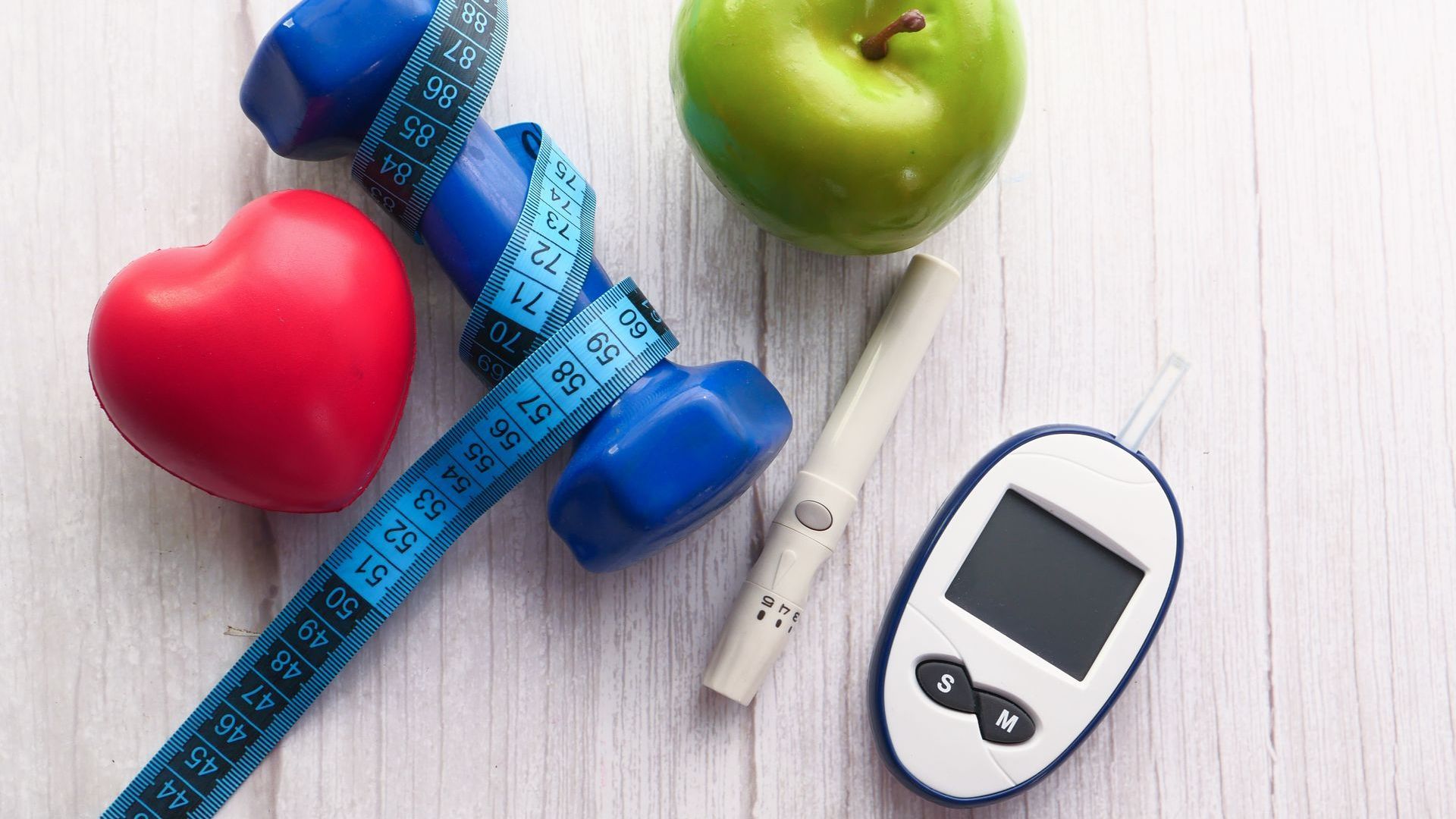
Physical activity, or rather the lack thereof, also plays a crucial role in the maintenance of healthy cholesterol and glucose levels. Leading a sedentary lifestyle, devoid of regular exercise, can aggravate these conditions. Physical activity not only helps in the management and reduction of weight but also improves metabolic function, directly impacting cholesterol and glucose regulation. So instead of dreading exercise, consider it a natural remedy for maintaining good health.
Another important factor to consider is genetic predisposition. Some individuals are genetically predisposed to conditions that elevate cholesterol and glucose levels. Familial hypercholesterolemia (FH) is a prime example - it's an inherited condition characterized by high levels of LDL cholesterol from birth, significantly increasing the risk of heart disease. Similarly, type 2 diabetes can have a hereditary component, making it more likely for certain individuals to develop this condition due to their genetic makeup.
It's essential to note that these factors aren't isolated; they often interplay with one another. For instance, genetics can influence an individual's response to dietary choices and physical activity levels. Understanding these connections helps us make informed decisions about our lifestyles. By understanding and acknowledging these factors influencing elevated cholesterol and glucose levels, we gain valuable insights into preventive measures that can be taken. From adopting healthier dietary habits to incorporating more physical activity into our daily routines, the path toward better managing these conditions becomes clearer, empowering individuals to take charge of their own health. Understanding the underlying contributors to health concerns is crucial in paving the way for a holistic approach towards well-being. Next, we'll explore integrative medicine approaches as part of this comprehensive framework.
Integrative Medicine Approaches
When it comes to managing cholesterol and glucose levels, integrative medicine offers a holistic approach that combines traditional treatments with complementary therapies. It emphasizes lifestyle modifications, including dietary changes, physical activity, and stress management. One vital aspect is the incorporation of supplements like omega-3 fatty acids, known for their ability to reduce triglycerides and improve heart health.
Omega-3 fatty acids are essential nutrients commonly found in fish oil supplements. These supplements have been shown to be particularly beneficial in managing cholesterol levels, aiding in lowering triglycerides, reducing inflammation, and supporting overall cardiovascular health. Incorporating these supplements into your daily routine under the guidance of a healthcare professional can provide significant benefits in managing cholesterol and glucose levels.
In addition to dietary modifications and supplementation, mind-body practices such as yoga and meditation play a crucial role in integrative medicine approaches. Scientific studies have shown that these practices can lower stress hormones that have detrimental effects on metabolic health. For example, a study published in JAMA Internal Medicine showcased the positive impact of regular meditation practice on stress reduction and improved glucose control. Stress management through mind-body practices is especially relevant in the context of cholesterol and glucose management. Chronic stress can lead to an increase in cortisol levels, contributing to elevated blood sugar levels and insulin resistance, ultimately impacting overall metabolic health. Therefore, integrating stress-reducing techniques such as meditation into one's routine can yield significant benefits in maintaining optimal cholesterol and glucose levels.
Integrative medicine encourages a comprehensive approach that focuses on treating existing conditions while preventing future health issues through sustainable lifestyle changes and holistic wellness practices.
Embracing these integrative medicine strategies allows individuals to actively participate in managing their cholesterol and glucose levels while promoting overall well-being through a balanced and proactive approach.
Essential Blood Test Screenings
When it comes to managing your health, a crucial aspect is understanding and keeping an eye on your cholesterol and glucose levels. These two factors can have a significant impact on your overall well-being. Several key blood tests help in monitoring these levels effectively.

Lipid Panel for Cholesterol Evaluation
The first important blood test is the lipid panel. This comprehensive test measures different types of cholesterol and other fats present in your bloodstream. It includes the measurement of:
- Total Cholesterol: A sum of all types of cholesterol in your blood, including both "good" (HDL) and "bad" (LDL) cholesterol.
- LDL (Low-Density Lipoprotein) Cholesterol: Often referred to as the "bad" cholesterol, high levels of LDL can increase the risk of heart disease.
- HDL (High-Density Lipoprotein) Cholesterol: Known as the "good" cholesterol, higher levels of HDL can lower your risk of heart disease.
- Triglycerides: Another type of fat found in your blood that can also contribute to heart disease risk if levels are too high.
Regular testing of these levels is particularly important since high cholesterol doesn't usually show symptoms until it's quite serious, meaning you could be unaware that it's harming your body. According to the American Heart Association, adults over 20 should undergo a lipid panel every 4-6 years.
Blood Tests for Glucose Evaluation
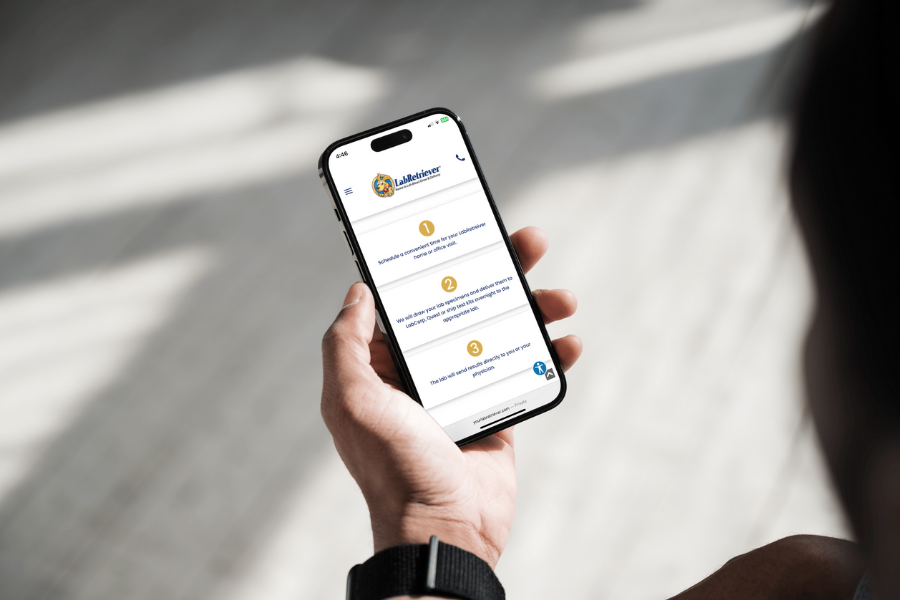
Besides cholesterol, another important aspect to monitor is your glucose level. Especially for those at risk of diabetes or those already diagnosed with diabetes, regular evaluation is indispensable. Blood tests like the fasting blood sugar (FBS), Oral Glucose Tolerance Test (OGTT), and HbA1c (glycated hemoglobin) provide valuable insights into how your body processes sugar. FBS measures the glucose level after an overnight fast, while OGTT checks how efficiently your body handles sugar intake. HbA1c gives a rough estimate of the blood sugar levels over a period of time. The American Diabetes Association recommends annual glucose testing for those at risk. By closely monitoring these essential blood tests for cholesterol and glucose, you can take proactive steps to maintain a healthy balance and address any concerns promptly, ensuring the best possible chance at a healthy, active lifestyle. These labs can be completed at your doctors office or by scheduling at home lab draw services through a mobile phlebotomy company like LabRetriever. Monitoring these essential blood tests offers invaluable insights into our health status. Moving forward, let's explore effective strategies for addressing any issues identified through these screenings.
Treatment Strategies
When managing high cholesterol, statins usually take the lead in defense. These medications work by reducing the amount of LDL (bad) cholesterol in the blood. Incorporating a balanced diet and regular exercise also play pivotal roles in effective cholesterol management. Statins have proven highly effective in lowering cholesterol levels, but they may not be suitable for everyone. Consulting with a healthcare professional to develop a personalized treatment plan based on specific health needs and potential side effects from these medications is crucial.
Dietary Modifications
In addition to statin therapy, dietary modifications are crucial in managing cholesterol levels. A diet low in saturated fats, trans fats, and cholesterol can significantly impact cholesterol readings. Foods high in fiber such as fruits, vegetables, and whole grains can also help manage cholesterol levels.
Exercise
Regular physical activity is beneficial for managing cholesterol levels. Engaging in aerobic exercises like walking, swimming, or cycling can help raise HDL (good) cholesterol while lowering LDL (bad) cholesterol.
Glucose Management
Turning to high glucose management, there are different strategies for addressing this condition. For individuals with type 2 diabetes, metformin is often prescribed as a first-line medication. Lifestyle changes, such as diet and exercise, are also critical components when managing high glucose levels.
Dietary Modifications for Glucose Management
Eating a balanced diet that limits sugar and refined carbohydrates can aid in controlling blood glucose levels. Focusing on nutritious foods rich in fiber and complex carbohydrates while reducing processed sugars ensures stable glucose levels.
Weight Management
Weight management plays a significant role in both high cholesterol and high glucose management. According to the New England Journal of Medicine, aggressive LDL reduction through combined statin and lifestyle interventions can reduce the risk of cardiovascular events by up to 50%. Additionally, maintaining a healthy weight helps improve insulin sensitivity and reduces the strain on the heart.
Understanding these treatment strategies is fundamental in effectively managing cholesterol and glucose levels. Incorporating a combination of medication, lifestyle modifications, and regular monitoring allows individuals to take proactive steps toward better health outcomes.
Armed with knowledge of comprehensive analysis, diagnosis, and treatment strategies for cholesterol and glucose evaluation, it's time to navigate through the landscape of monitoring guidelines and recommendations.
Monitoring Guidelines and Recommendations
Once you start your treatment plan, the journey is far from over. Monitoring your cholesterol and glucose levels is a crucial part of managing these conditions. Regular testing helps you and your healthcare provider track your progress and make adjustments to your treatment plan if needed. The National Institute for Health and Care Excellence (NICE) emphasizes the importance of regular reviews for individuals with diabetes, recommending at least an annual review to ensure that they are keeping their blood sugar levels in check. Furthermore, individuals with high cholesterol should undergo frequent lipid assessments to monitor their cholesterol levels. These routine checks provide valuable insight into the effectiveness of the current treatment plan and allow for necessary modifications to be made promptly.
It can seem overwhelming at first, but it's important to stay consistent with monitoring your levels. Remember, it's all about staying proactive in managing your health. One way to do this is by utilizing home monitoring devices for glucose levels. Many patients find that such devices are incredibly beneficial as they allow them to keep a close eye on their blood sugar without having to go to a clinic every time. This not only puts more control in the patient's hands but also helps in the early detection of any concerning trends or irregularities.
In addition to using monitoring devices, maintaining a log of your glucose levels, dietary intake, physical activity, and any symptoms experienced can provide valuable information for both you and your healthcare provider. This log can serve as a roadmap for your health journey and help identify patterns or triggers that could impact your condition. Remember, these logs are not just numbers; they tell a story about your health and can guide discussions with your healthcare provider on better ways to manage your condition based on real-time data.
With proper monitoring and regular check-ups, you can stay informed about the state of your health and actively participate in making informed decisions about your treatment plan. Engaging in consistent monitoring not only empowers you as an active participant in your own health but also equips you with valuable insights that can guide effective discussions with your healthcare provider, leading to better management of your condition.