

Why Patients Put Off Blood Work: The Psychology of Patient Compliance
Every physician has experienced it. A patient receives an order for laboratory testing, understands why it's important, and agrees to get it done. Yet weeks later, the testing remains incomplete.
It's easy to label this patient noncompliant. But what if the problem isn't that patients don't care about their health? What if it has more to do with how our brains respond to tasks we perceive as inconvenient, difficult, or unpleasant?
The Psychology of Putting Things Off
Arthur C. Brooks, professor and author, has explored the psychology behind procrastination and why people delay tasks they'd be better off completing. Psychological research suggests that procrastination isn't always about poor time management. Often, it's about avoiding the discomfort associated with a task.
We put off making appointments, completing paperwork, starting an exercise routine, and even getting routine blood work. We know these things are important. We intend to do them. But immediate convenience often wins over long-term benefits.
What This Means for Patient Compliance
Consider what happens after a physician orders blood work. From the provider's perspective, the next step is simple: the patient needs to have blood drawn. But for the patient, that may mean finding a convenient location, arranging transportation, taking time away from work, or coordinating help from a family member. For seniors and patients with mobility limitations, the challenge can be even greater.
These obstacles may have little to do with a patient's willingness to follow medical advice. But they create friction, and friction creates opportunities for procrastination. The patient intends to get it done. They just keep putting it off.
Sometimes the Solution Is Making It Easier
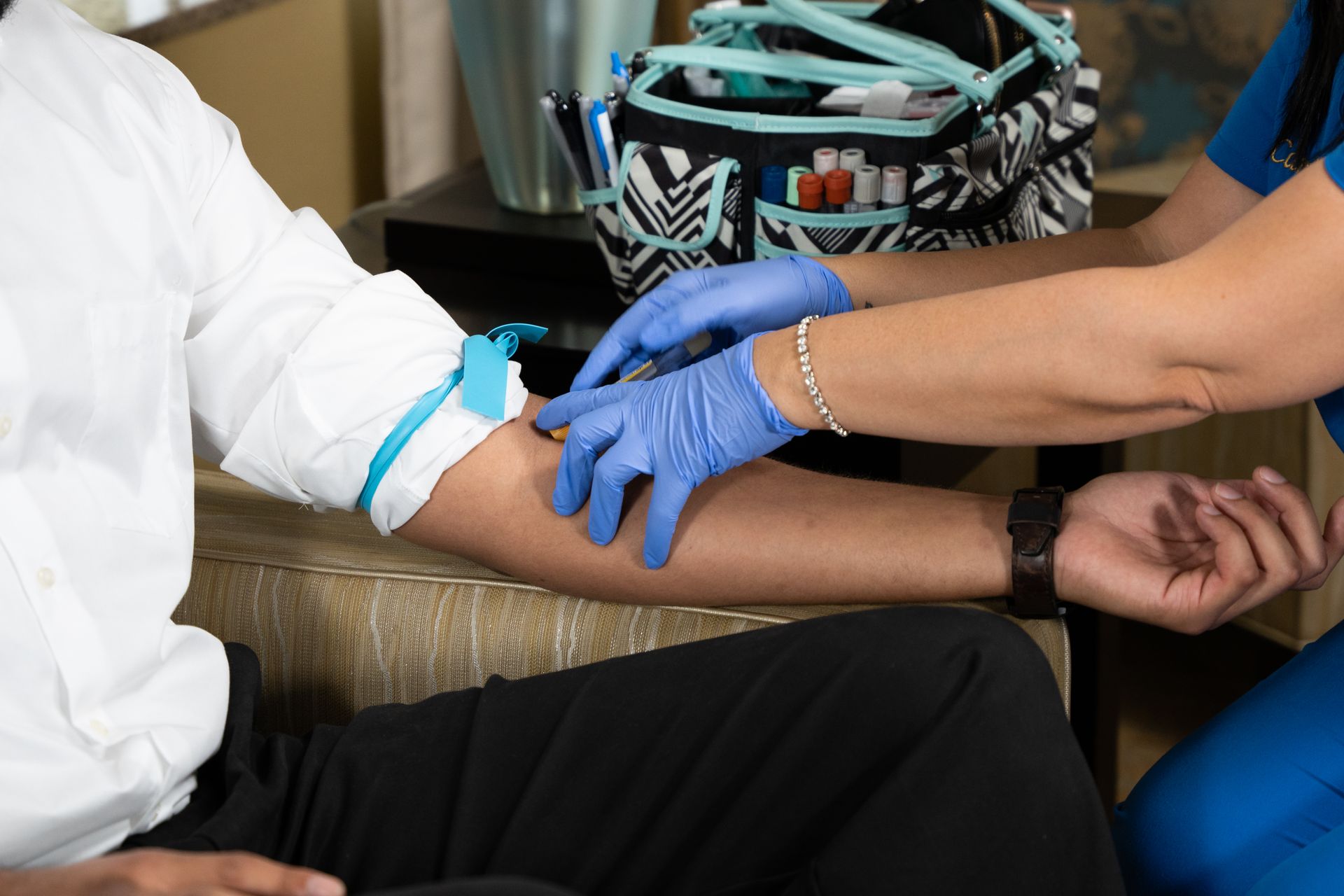
If inconvenience contributes to procrastination, reducing that inconvenience is a logical place to start. Consider the difference between asking a patient to visit a laboratory and offering to have a trained phlebotomist come directly to their home. The medical objective is the same. The experience is entirely different.
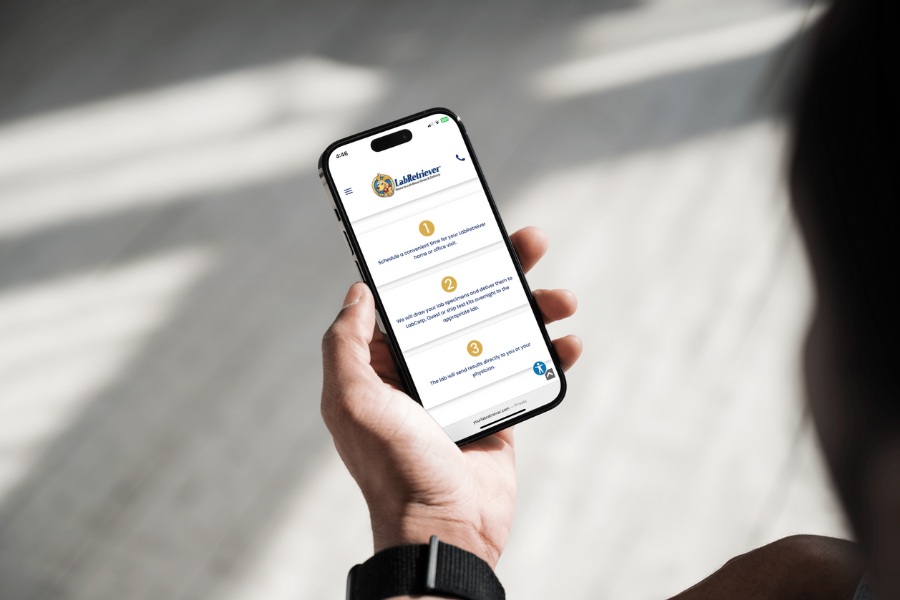
Instead of arranging transportation, driving to a collection facility, and waiting to be seen, the patient schedules a convenient appointment. A phlebotomist arrives, collects the requested specimens, and ensures they are transported to the appropriate laboratory.
Fewer steps. Less disruption. One less reason to postpone.
An Opportunity for Healthcare Providers
For concierge physicians and other personalized-care practices, patient follow-through is an important part of delivering a quality healthcare experience. An uncompleted laboratory order can delay follow-up appointments, leave important information unavailable, and create additional administrative work.
Rather than viewing every missed laboratory appointment as a motivation problem, providers should consider whether the process itself is creating unnecessary obstacles. Could the patient have difficulty getting to a collection center? Would an in-home blood draw make completing the order easier? These are simple questions that can lead to a better patient experience.
Making the Next Step Easier
At YourLabRetriever.com, we've spent more than 20 years helping patients and healthcare providers simplify the blood collection process. Our mobile phlebotomy service brings professional blood collection directly to patients' homes and other convenient locations throughout our Florida service areas.
For physicians, it's another way to help patients complete their laboratory orders. For patients, it's one less thing to put off.
Sometimes improving patient compliance doesn't require another reminder or another explanation of why testing is important. Sometimes it simply requires making the next step easier.
YourLabRetriever partners with concierge physicians and healthcare practices to simplify specimen collection, improve patient convenience, and support continuity of care.
YourLabRetriever.com — Sit. Stay. We Do All The Fetching.